

 EN
 AR
 BG
 HR
 CS
 NL
 FR
 DE
 HI
 IT
 JA
 KO
 PT
 RO
 RU
 ES
 SV
 TL
 ID
 LT
 SR
 SK
 SL
 UK
 VI
 SQ
 ET
 GL
 HU
 TR
 AF
 GA
 BE
 MK
 MN
 NE
 KK
 UZ
 KY
 XH
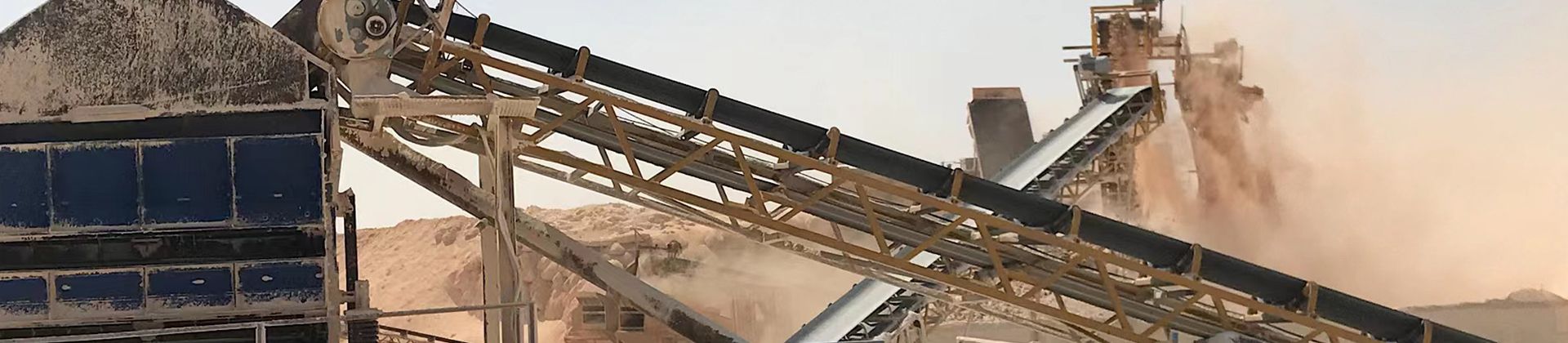
Wet Screening: Polyurethane Screen Mesh vs Woven Wire
Introduction
Wet screening fails for one reason in most quarries: the screen mesh was chosen for dry duty and then fed damp material. The panel blinds, throughput drops, and the plant blames the material.
This article answers one question only — for wet screening, should you fit polyurethane screen mesh or woven wire? Everything below is about that choice.
Why Wet Screening Is Different
In dry screening, the screen mesh only has to let particles through. In wet screening, it also has to release sticky fines that want to seal the opening.
Damp fines form a paste on the wire. Once the paste keys onto the weave, the aperture closes and the deck blinds. Woven wire screen mesh gives that paste more surface to grip than a moulded panel does.
The Short Answer
For wet screening with sticky fines, polyurethane screen mesh is usually the better choice. For wet screening where the material is clean, coarse and free-draining, woven wire is cheaper and works fine.
The dividing line is the fine fraction. If the feed contains plastic fines and surface moisture, choose polyurethane screen mesh. If the water drains freely and the fines are granular, woven wire screen mesh stays competitive.
How Polyurethane Screen Mesh Handles Wet Feed
Polyurethane screen mesh is moulded, not woven. The aperture walls are smooth and slightly flexible, so damp material releases instead of keying in.
Three things follow for wet screening. The panel blinds less often, because paste has no weave to grip. The deck runs quieter, because moulded panels damp vibration. And the screen mesh lasts longer in abrasive wet duty, because polyurethane resists sliding abrasion better than wire.
The trade-off is open area. A polyurethane panel usually gives less open area than woven wire at the same aperture, so capacity per square metre is lower until blinding is taken into account.
Where Woven Wire Screen Mesh Still Wins
Woven wire screen mesh remains the right answer in three wet screening cases.
First, clean coarse feed: sand and gravel with free-draining water and few plastic fines. Second, high capacity demand at large apertures, where open area matters more than release. Third, tight budgets on short-life positions.
Woven wire also wins where the deck is already set up for tensioned panels. Converting to modular polyurethane screen mesh means changing the deck frame, not just the panel, and that cost has to be justified by the blinding it removes.
Aperture and Open Area for Damp Material
For wet screening, start with the aperture your product requires, then adjust for the fines.
If near-size material is high, a slightly larger aperture reduces pegging. If the product is checked strictly, keep the screen mesh aperture exact and accept lower capacity.
Open area should be read with blinding in mind. A woven wire panel with 65% open area that blinds to 30% effective area performs worse than a polyurethane screen mesh with 40% open area that stays open.
Panel Fit and Fixing on Wet Decks
Wet screening punishes a loose panel faster than dry duty, because water and fines work into any gap.
Check four things before ordering screen mesh: panel length and width against the deck, edge type, tensioning or pin system, and support bar spacing. A panel that does not seat fully will move, and a moving panel wears through in weeks.
Send the drawing or a sample panel. That is quicker than returning a container of screen mesh that does not fit.
Maintenance That Keeps Wet Screening Stable
- Wash the deck at the end of each shift; dried paste is harder to remove than wet paste.
- Check spray nozzles weekly; a scaled nozzle causes localised blinding.
- Re-tension woven wire screen mesh after the first shift and check monthly.
- Rotate polyurethane panels between positions where the deck allows.
- Record tonnage per panel, so the next screen mesh order is based on data.
Why Choose Kilomega Screen Mesh
Both types in one order. Woven wire and polyurethane screen mesh in common quarry apertures, so you can test wet screening on one deck before converting the plant.
Made to your deck. Non-standard panel sizes, edge types and pin centres produced against your drawing.
Checked before shipment. Aperture, wire diameter and panel dimensions verified, with reports supplied.
Export packing. Panels crated flat and marked by deck position, ready to fit on arrival.
One delivery date. Screen mesh, conveyor belts, idlers, crusher parts and drives can ship together.
FAQ
Is polyurethane screen mesh always better for wet screening?
No. It wins when fines are sticky and blinding is the limit. With clean, free-draining feed, woven wire gives more open area for less money.
What aperture should I use for wet screening?
Start at the aperture your product requires, then open slightly if near-size pegging is a problem. Test one deck before ordering the full set.
Can I fit polyurethane screen mesh on an existing deck?
Only if the deck has the right frame, pin system and support spacing. Otherwise the deck needs modification, which changes the payback calculation.
How do I stop wet screen mesh from blinding?
Control the water first, then the screen mesh. Correct spray coverage and a panel that releases material solve more blinding than a specification change alone.
Get a Screen Mesh Recommendation
Send your aperture, panel size, deck type and a sample description of the feed to [email protected], or browse screening equipment. We will confirm which screen mesh suits your wet screening duty and quote with a delivery date.
📱 WhatsApp:+966 56 171 7029
✉️ 邮箱: [email protected]
🌐 网站: www.kilomega.sa
