

 EN
EN
 AR
AR
 BG
BG
 HR
HR
 CS
CS
 NL
NL
 FR
FR
 DE
DE
 HI
HI
 IT
IT
 JA
JA
 KO
KO
 PT
PT
 RO
RO
 RU
RU
 ES
ES
 SV
SV
 TL
TL
 ID
ID
 LT
LT
 SR
SR
 SK
SK
 SL
SL
 UK
UK
 VI
VI
 SQ
SQ
 ET
ET
 GL
GL
 HU
HU
 TR
TR
 AF
AF
 GA
GA
 BE
BE
 MK
MK
 MN
MN
 NE
NE
 KK
KK
 UZ
UZ
 KY
KY
 XH
XH
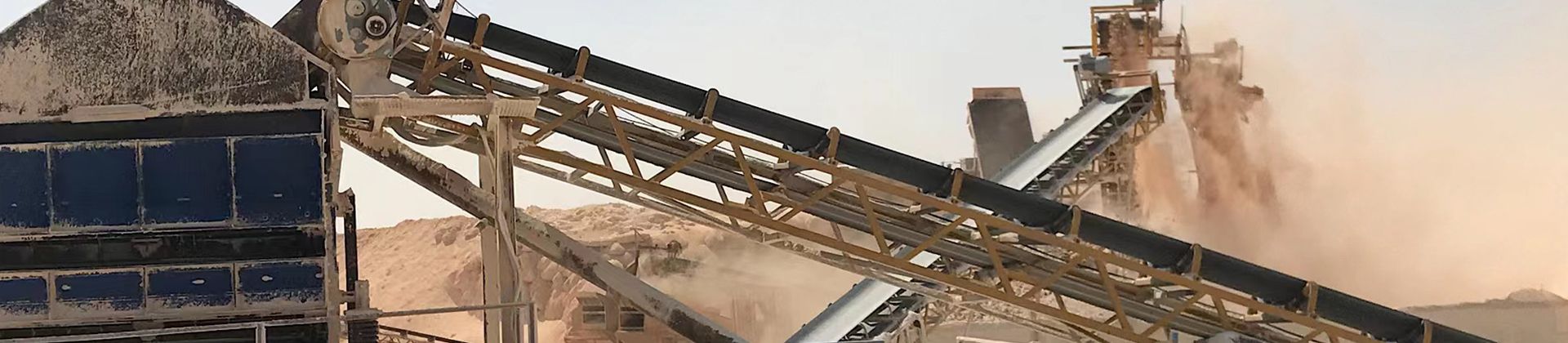
Why Vulcanized Splices Outperform Mechanical Fasteners in Quarry Operations
In quarry and mining conveyor systems, belt joints are often the most vulnerable point in the entire conveying line. Under extreme working conditions such as high temperatures, heavy impact loads, and continuous 24/7 operation, splice failure can easily lead to unexpected downtime and production losses.
Two main joining methods are widely used in the industry: mechanical fasteners (belt clips) and hot vulcanized splicing. However, in demanding quarry environments, their performance differences are significant.
1. Stability in High-Temperature Environments
Quarry operations often run under high ambient temperatures, with conveyor belt surfaces further heated by friction and direct sunlight.
Mechanical fasteners (belt clips) rely on physical metal connections and rubber clamping. Under continuous heat stress and belt tension, they are more likely to loosen over time and develop fatigue issues.
In contrast, vulcanized splicing uses heat and pressure to create a homogeneous bond between belt layers, forming a continuous structure that behaves as a single belt body even under elevated temperatures.
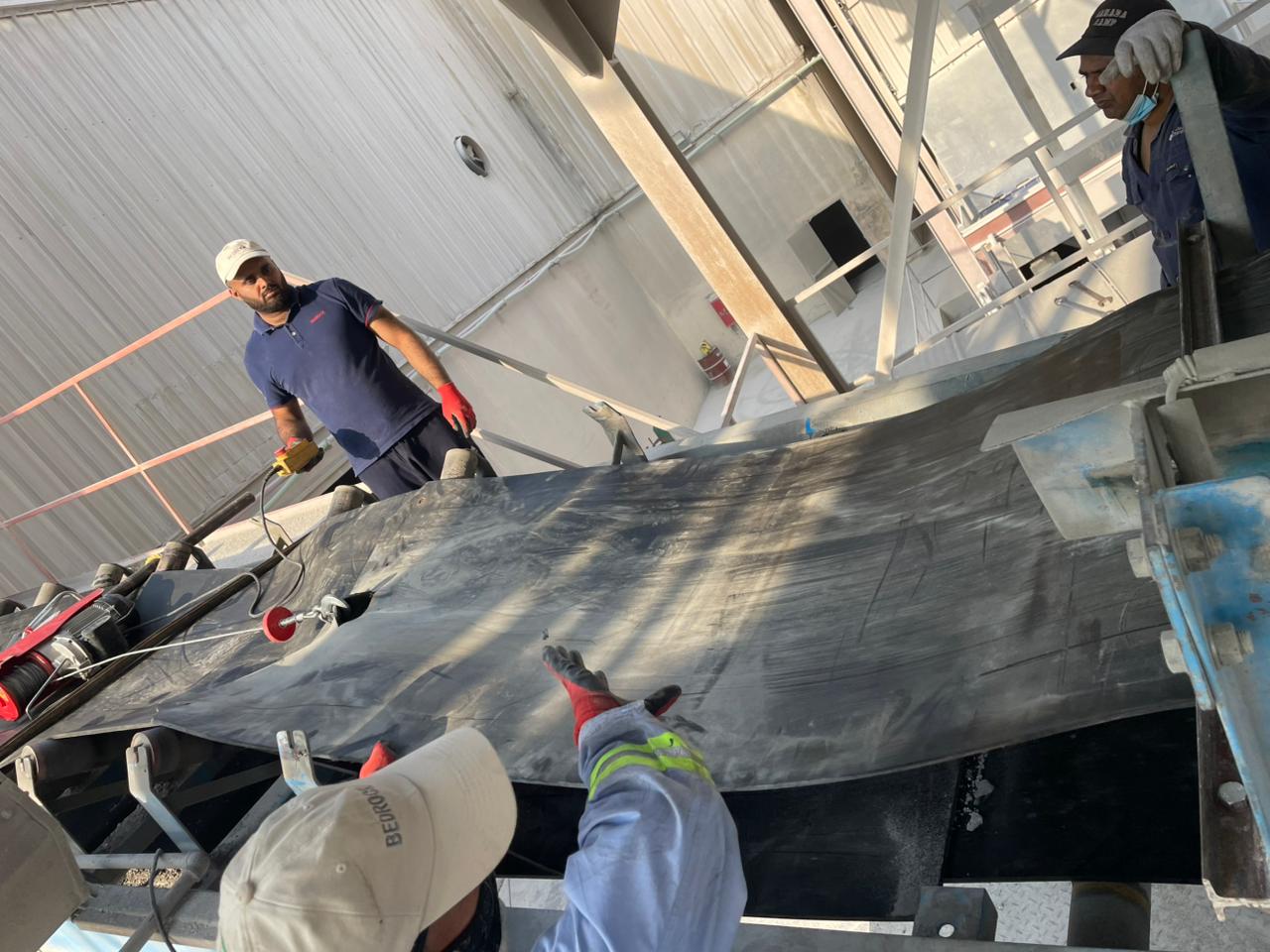
2. Superior Resistance to Impact and Abrasion
Quarry materials such as rock, aggregates, and minerals create constant impact stress on conveyor systems.
Mechanical fasteners introduce rigid metal points into the belt structure, which can cause stress concentration and accelerate belt wear or damage.
Vulcanized splices create a smooth and seamless joint, allowing stress to be distributed evenly across the belt surface, significantly improving resistance to abrasion and impact.
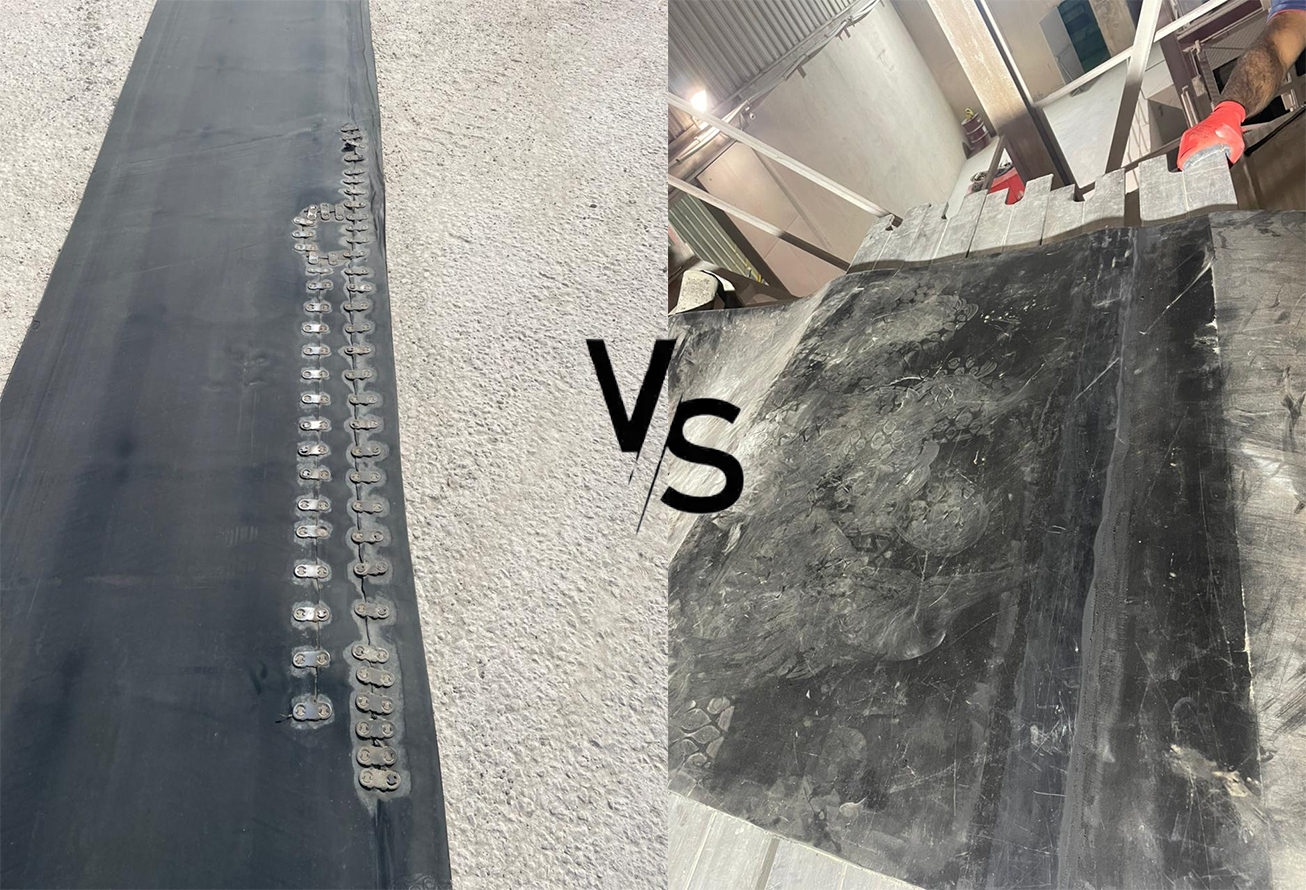
3. Longer Service Life and Reduced Downtime
In continuous production environments, mechanical fasteners often require periodic tightening, adjustment, or replacement due to vibration and load impact.
Vulcanized splices, when properly installed, provide a much longer service life and significantly reduce maintenance frequency and unexpected shutdowns.
This directly improves operational efficiency and lowers total lifecycle costs.
4. Better Resistance to Dust and Fine Particles
Dust and fine materials are common challenges in quarry operations.
Mechanical fasteners often create small gaps and edges where particles can accumulate, leading to accelerated wear and potential corrosion.
Vulcanized splicing provides a smooth and sealed belt surface, minimizing particle ingress and improving long-term durability.
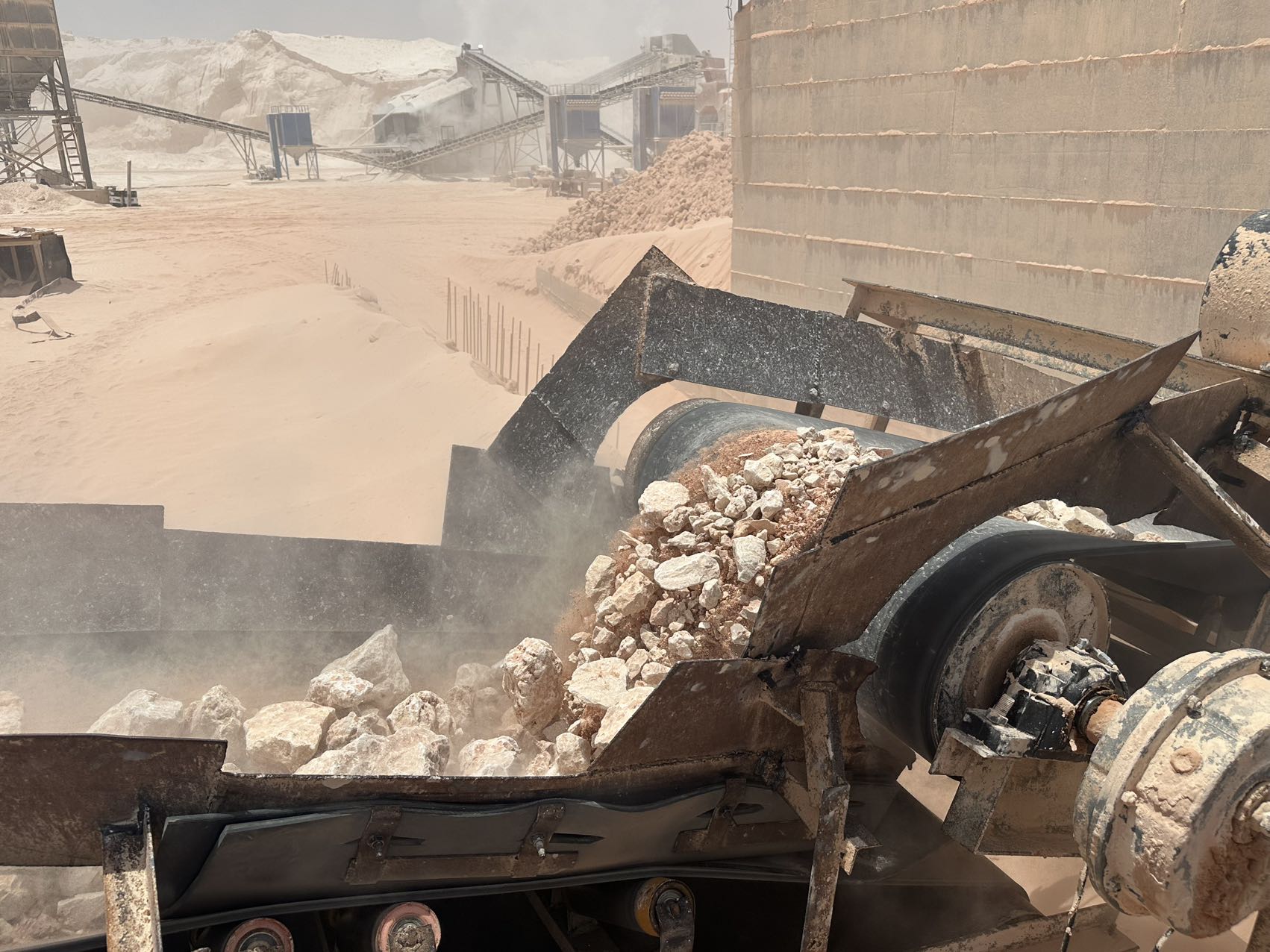
KILOMEGA Vulcanizing Expertise
KILOMEGA provides professional vulcanized splicing solutions designed for demanding quarry and mining applications.
Our technical solutions are engineered for high-temperature, high-load, and dust-intensive environments, helping customers improve conveyor reliability, reduce downtime, and extend belt service life.
Conclusion
While mechanical fasteners (belt clips) remain widely used due to ease of installation, their limitations become more apparent under heavy-duty quarry conditions.
Vulcanized splicing offers superior structural integrity, longer service life, and better resistance to environmental stress, making it a more reliable solution for modern mining and material handling systems.
